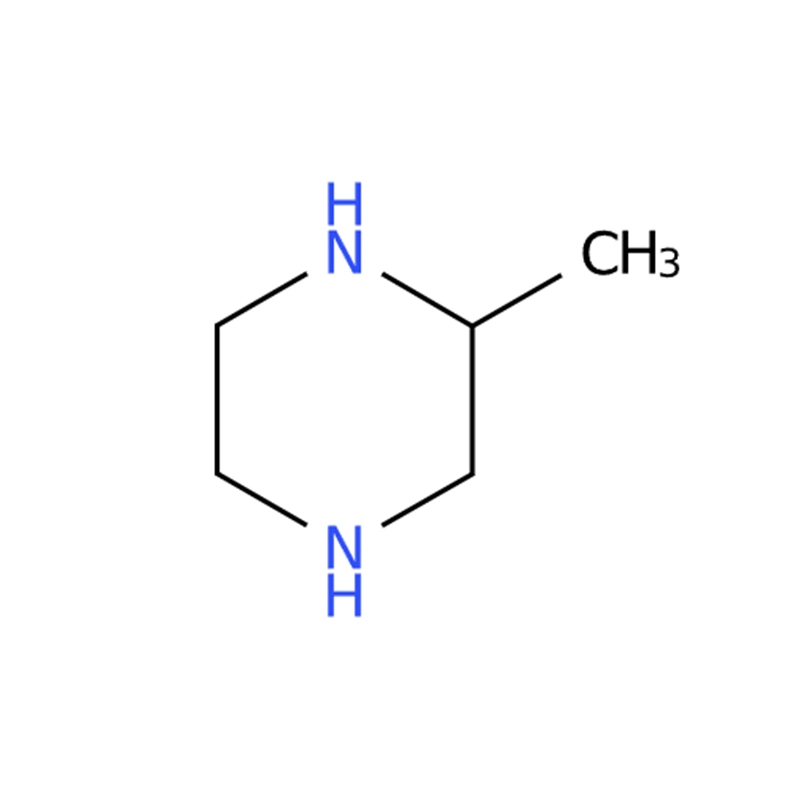
Product Description of 2-Methylpiperazine CAS#109-07-9
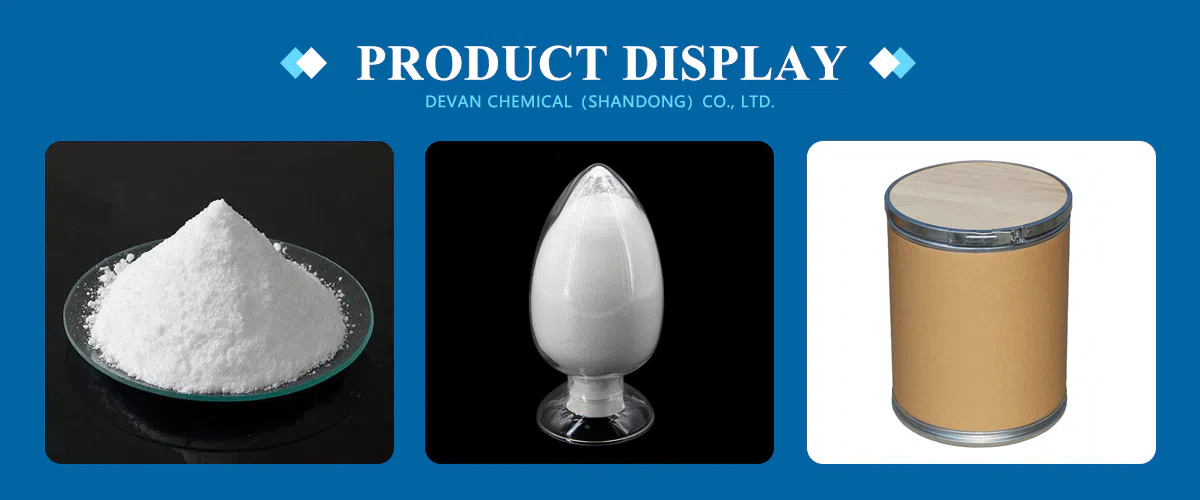
2-Methylpiperazine is a six-membered nitrogen-heterocyclic compound, with molecular formula C₅H₁₂N₂ and molecular weight of 100.16. It appears as White to pale yellow crystalline solid and carries a typical piperazine-like odor. This substance is hygroscopic and air-sensitive, so sealed storage is required to avoid moisture absorption and deterioration.
It is highly soluble in water, ethanol, acetone and many polar solvents. Its melting point ranges from 61-63 °C. As a crucial piperazine-type pharmaceutical intermediate, it is widely adopted as the core raw material for the synthesis of lomefloxacin and other fluoroquinolone drug molecules.
2-Methylpiperazine Chemical Properties
| Melting point | 61-63 °C (lit.) |
| Boiling point | 155 °C/763 mmHg (lit.) |
| density | 0.817 g/cm |
| refractive index | 1.4378 (estimate) |
| Fp | 149 °F |
| storage temp. | Keep in dark place,Inert atmosphere,Room temperature |
| solubility | 435g/l |
| pka | pK1:5.62(+2);pK2:9.60(+1) (25°C) |
| form | Crystalline Powder, flaky crystal or Chunks |
| color | White to pale yellow |
| PH | 11-12 (50g/l, H2O) |
| Water Solubility | 78 g/100 mL (25 ºC) |
| Sensitive | Air Sensitive & Hygroscopic |
| BRN | 383566 |
| InChIKey | JOMNTHCQHJPVAZ-UHFFFAOYSA-N |
| CAS DataBase Reference | 109-07-9(CAS DataBase Reference) |
| NIST Chemistry Reference | Piperazine, 2-methyl-(109-07-9) |
| EPA Substance Registry System | Piperazine, 2-methyl- (109-07-9) |
| Hazard Codes | F,Xi |
| Risk Statements | 11-36/37/38 |
| Safety Statements | 16-26-36/37/39-36 |
| RIDADR | UN 1325 4.1/PG 2 |
| WGK Germany | 2 |
| RTECS | TM1225020 |
| F | 10 |
| TSCA | Yes |
| HazardClass | 4.1 |
| PackingGroup | III |
| HS Code | 29339900 |
Product Application of 2-Methylpiperazine CAS#109-07-9
2-Methylpiperazine is a crucial fine chemical intermediate widely applied in pharmaceutical organic synthesis. Its unique methyl-substituted piperazine structure provides excellent reactivity for constructing diverse nitrogen-containing heterocyclic frameworks.
It serves as the core synthetic raw material for lomefloxacin and other fluoroquinolone antibacterial agents. Beyond antibiotic production, it is also extensively used to develop antidepressant, antipsychotic and anti-allergic drug candidates. Additionally, this versatile building block supports the synthesis of agrochemical intermediates and specialty fine chemicals for industrial research and production.